Somewhere to go at night
When the house is quiet and your head is loud, there is somewhere to put it that is awake.

Four things, built to work together — and to work on the days you only have ten minutes.
Most reactions run on autopilot. Quest helps you catch the pattern.
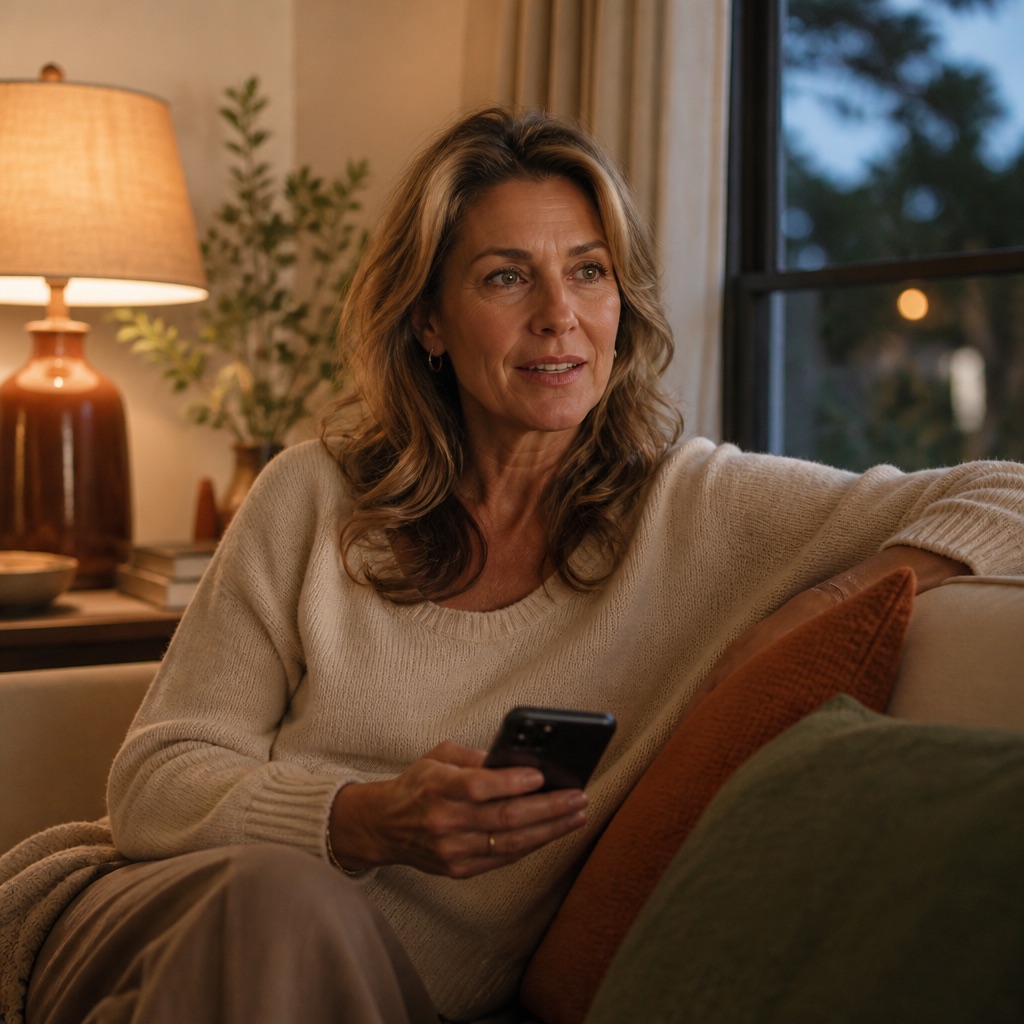
Text or voice, at 6am or 3am. She remembers what you told her last week and picks the thread back up, so you never start from scratch or explain yourself twice.

A guided page that asks the next question instead of staring back blankly. Good for the things you have not said out loud yet, and the ones you are still deciding how you feel about.
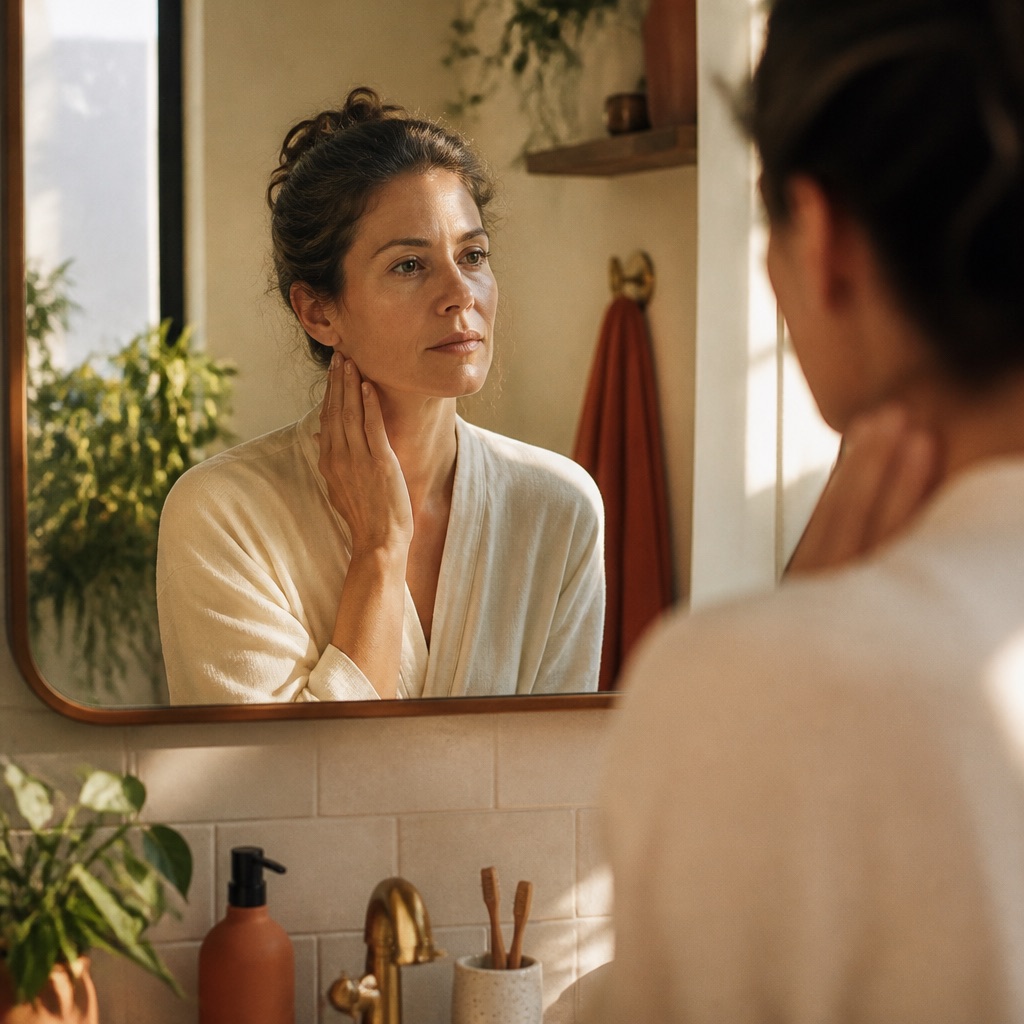
A daily check-in that takes a couple of minutes and turns a scattered week into a pattern you can point at — what set you off, what settled you, what keeps coming back.

The move, the health thing, the hard conversation. Quest turns it into a project with real steps and tasks, so it stops being one enormous knot you keep putting off.

One small intention each morning, a prompt to write against it, and something to check off at night. Small enough to actually do on the days you have nothing left.

Quest surfaces the patterns running under your week — what keeps repeating, what sets it off, and what it is quietly telling you about how you are doing.
When the house is quiet and your head is loud, there is somewhere to put it that is awake.
Rehearse the conversation you are dreading before you have to have it for real.
The point is not to never react. It is to see it coming a little sooner each time.
She already knows the backstory, so you can start in the middle.
No. Most people live in one or two parts of Quest and dip into the rest occasionally. Talking to her is enough on its own.
No. Quest is not therapy and does not diagnose or treat. Plenty of people use both — the daily, in-the-moment part is the gap she fills.
Yes. Missing a day resets nothing. Quest picks the thread back up wherever you left it.
Yes, and you can switch between voice and text whenever you like. It is the same conversation either way.